
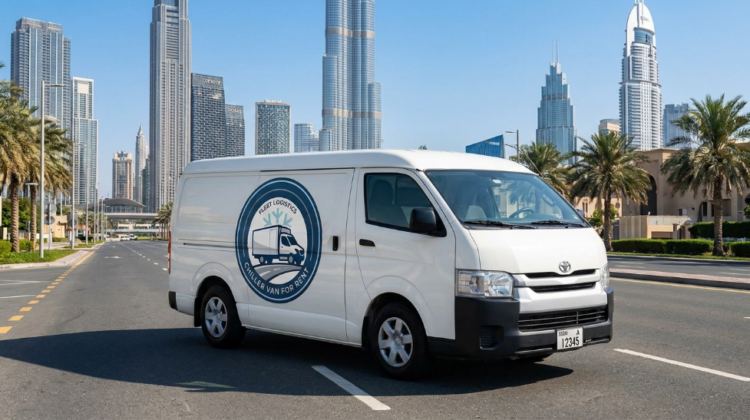
Pharmaceutical Transport in the UAE: A Cold-Chain Guide
Pharmaceutical Transport in the UAE requires careful planning because medicines, vaccines and other pharmaceutical products can be highly sensitive to temperature changes.
A vaccine or medicine can experience a temperature excursion without showing any obvious change in colour, smell or appearance. The product may look perfectly normal while its quality or effectiveness has been affected.
This makes pharmaceutical transport in the UAE particularly challenging. During the hottest months, outdoor temperatures can exceed 45°C, creating a significant difference between the external environment and the controlled temperature required for many medicines and vaccines.
Safe pharmaceutical transport in the UAE therefore requires more than simply placing products inside a refrigerated vehicle. It involves the correct temperature range, pre-cooling, suitable packaging, continuous monitoring, documented handling procedures and a transporter that understands the sensitivity of pharmaceutical cargo.
This guide explains the key principles businesses should consider when arranging pharmaceutical transport in the UAE.
Important: This article describes general cold-chain good practice and commonly used pharmaceutical temperature ranges. It does not constitute legal or regulatory advice. Specific UAE licensing, product-handling, and regulatory requirements should be confirmed with the relevant authorities and the product owner. Transporters should only accept pharmaceutical products they are properly equipped and authorized to handle.
Table of Contents
Why Pharmaceutical Transport in the UAE Requires Cold-Chain Control
Different pharmaceutical products have different storage and transportation requirements.
The product manufacturer’s specified temperature range should always take priority over a generic temperature category.
| Temperature Band | Typical Range | Examples |
|---|---|---|
| Refrigerated / Cold Chain | +2°C to +8°C | Many vaccines, insulin, biologics and certain medicines |
| Controlled Room Temperature | +15°C to +25°C | Many tablets and general medicines |
| Frozen | Approximately −18°C to −25°C | Certain temperature-sensitive products |
| Ultra-Cold | Around −70°C | Specific specialist products requiring dedicated equipment |
The +2°C to +8°C range is one of the most important temperature bands in pharmaceutical cold-chain logistics. Many refrigerated medicines and vaccines require transportation within this range.
However, not every refrigerated vehicle is automatically suitable for pharmaceutical cargo.
A vehicle needs to be capable of maintaining the required range consistently, with appropriate monitoring and handling procedures.
Frozen products require a different temperature environment, while ultra-cold products require specialist equipment that standard chiller and freezer vans cannot provide.
Pharmaceutical Transport in the UAE: Why Temperature Damage Can Be Invisible
Food often gives you a visible warning when temperature control fails. Pharmaceutical products may not.
A medicine can experience a temperature excursion and still look completely normal.
That is why pharmaceutical transport in the UAE places such importance on temperature monitoring, traceability and documentation.
The temperature record can provide critical evidence of the conditions experienced during transport.
Preparing for Pharmaceutical Transport in the UAE Before the Vehicle Moves
Many cold-chain problems are created before the vehicle leaves the pickup point.
Good preparation should begin before loading.
1. Pre-Cool the Vehicle
The refrigerated compartment should be brought to the required operating temperature before pharmaceutical products are loaded.
Loading temperature-sensitive medicines into a warm vehicle creates unnecessary thermal exposure and puts additional pressure on the refrigeration system.
For products requiring +2°C to +8°C transport, the vehicle should be prepared to maintain the specified range before departure.
2. Use Appropriate Packaging
Pharmaceutical products should remain in their validated or specified packaging wherever applicable.
Packaging should protect the product while allowing the required temperature environment to be maintained.
Products should also be positioned carefully.
For example, refrigerated products should not be placed directly against an extremely cold air outlet if doing so could create localized freezing.
Similarly, products should not be pushed against warm exterior walls.
3. Load Quickly and Close the Doors
Every minute the refrigerated compartment remains open in the UAE heat creates additional thermal exposure.
Loading should therefore be organized in advance.
The objective should be:
Open → Load → Verify → Close → Depart
Avoid unnecessary door opening while paperwork, route planning or product sorting is taking place.
4. Verify the Temperature Set Point
Before departure, the driver or responsible operator should verify that the refrigeration system is set to the required temperature.
Do not assume that the vehicle is ready simply because the refrigeration unit is switched on.
The required temperature should be confirmed before the pharmaceutical shipment begins its journey.
Temperature Monitoring During Pharmaceutical Transport in the UAE
For pharmaceutical transport in the UAE, saying “we kept it cold” is not enough.
You need a way to demonstrate what temperature the shipment experienced during transportation.
A robust temperature-controlled delivery process can include:
- Continuous temperature monitoring throughout the journey
- Temperature records covering the transportation period
- GPS tracking for vehicle location and route visibility
- Defined procedures for handling temperature excursions
- Delivery documentation and traceability
- Clear communication between the transporter, sender and receiver
Why Continuous Temperature Monitoring Matters
A temperature check taken only at pickup and delivery can miss what happened in between.
For example, a vehicle may leave at +5°C and arrive at +5°C while experiencing a significant temperature excursion somewhere in the middle of the route.
Continuous monitoring provides a much clearer picture of the actual journey.
For pharmaceutical supply chains, documentation and traceability are therefore an important part of responsible temperature-controlled transport.
UAE Challenges for Pharmaceutical Transport
Pharmaceutical transport in the UAE has several challenges that businesses must plan for.
Extreme Ambient Heat
When the outside temperature is above 45°C and the cargo needs to remain around +2°C to +8°C, the refrigeration system has to work against a very large temperature difference.
Every unnecessary door opening increases the thermal load.
Distance Between Emirates
A pharmaceutical shipment travelling from Dubai to Abu Dhabi, Al Ain or another emirate can spend considerable time on the road.
The longer the route, the more important reliable temperature control and monitoring become.
Pre-cooling, route planning and continuous temperature monitoring can help reduce cold-chain risks during longer journeys.
Traffic and Timing
Dubai and the wider UAE can experience significant traffic congestion.
Time spent stationary in traffic means additional time for the refrigeration system to maintain the required cargo temperature.
For temperature-sensitive medicines, route planning should therefore be considered part of cold-chain management rather than simply a way to save fuel or driving time.
What to Look for in a Pharmaceutical Transporter in the UAE
Not every refrigerated-van provider is automatically equipped for pharmaceutical cargo.
Before booking pharmaceutical transport in the UAE, ask the transporter the following questions.
Can the Vehicle Maintain the Required Temperature?
Do not settle for vague statements such as “the van is cold.”
Ask whether the vehicle can maintain your product’s specified temperature range and how this is verified.
Is Temperature Monitoring Available?
Ask whether the temperature is monitored continuously during the journey and whether a temperature record can be provided after delivery.
Are Handlers and Drivers Trained?
People handling pharmaceutical cargo should understand the importance of:
- Pre-cooling
- Temperature control
- Door discipline
- Proper loading
- Temperature excursions
- Product traceability
Is the Vehicle Clean and Suitable?
The refrigerated compartment should be clean and appropriate for the type of cargo being transported.
Ask how the vehicle is cleaned between loads and whether the operator has procedures for preventing unsuitable cross-contamination.
Is the Scope of Service Clearly Defined?
A trustworthy transporter should clearly explain what it can and cannot carry.
For example, a standard refrigerated vehicle should not be presented as an ultra-cold −70°C solution.
If a product requires specialist equipment, the transporter should say so rather than accepting a shipment it cannot safely handle.
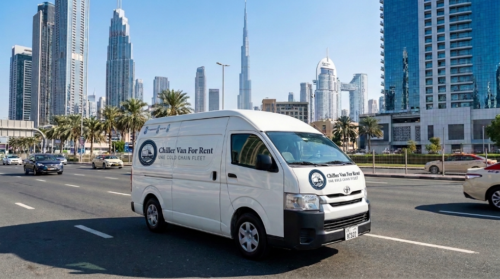
For pharmaceutical transport in the UAE, Chiller Van For Rent can be considered when businesses require temperature-controlled vehicle solutions, subject to the specific product requirements, vehicle capability and applicable authorization.
Common Mistakes That Can Affect Pharmaceutical Transport in the UAE
Even a good refrigerated vehicle can be undermined by poor operating practices.
Common mistakes include:
Loading Pharmaceutical Products into a Warm Vehicle
If the vehicle has not been pre-cooled, the shipment can be exposed to unsuitable temperatures from the beginning.
Leaving Refrigerated Vehicle Doors Open Too Long
Long loading or unloading periods can introduce significant amounts of hot outside air into the refrigerated compartment.
Placing Products Against the Cold-Air Outlet
A refrigerated vehicle is not necessarily uniform at every point inside the cargo compartment.
Poor positioning can expose sensitive products to localized freezing.
Relying Only on Ice Packs
Ice packs may be appropriate for certain validated packaging systems, but they should not automatically be treated as a substitute for active temperature-controlled transport during a long UAE journey.
The correct solution depends on the product, packaging system and validated transport procedure.
Having No Temperature Record
Without a temperature record, it may be difficult to determine whether the required conditions were maintained throughout the journey.
Assuming One Vehicle Can Carry Everything
Refrigerated, frozen and ultra-cold pharmaceutical products have different transport requirements.
A +2°C to +8°C vehicle should not automatically be treated as suitable for frozen or ultra-cold cargo.
Pharmaceutical Transport in the UAE: Practical Cold-Chain Checklist
Before arranging pharmaceutical transport in the UAE, confirm:
- Product’s required temperature range
- Vehicle’s actual temperature capability
- Vehicle pre-cooling procedure
- Appropriate product packaging
- Loading and unloading procedure
- Continuous temperature monitoring
- Temperature record availability
- GPS or route tracking where required
- Temperature excursion procedure
- Vehicle cleanliness
- Handler/driver training
- Applicable licensing or authorization requirements
- Clear pickup and delivery documentation
These checks can help identify potential problems before the shipment leaves the facility.
Frequently Asked Questions About Pharmaceutical Transport in the UAE
What Temperature Do Most Vaccines Need During Pharmaceutical Transport in the UAE?
Many vaccines are transported within the refrigerated +2°C to +8°C range. However, requirements vary by product.
Always follow the manufacturer’s specified storage and transportation conditions rather than assuming that every vaccine has the same requirements.
Can a Normal Chiller Van Transport Medicines in the UAE?
A refrigerated vehicle capable of maintaining +2°C to +8°C may be suitable for certain temperature-sensitive pharmaceutical products, provided that the vehicle, monitoring system, packaging, handling procedures and transporter meet the applicable requirements.
Do not assume that every chiller van is automatically suitable for pharmaceutical cargo. Before booking pharmaceutical transport in the UAE, confirm the transporter’s actual capabilities and applicable authorization requirements.
How Do You Prove That the Pharmaceutical Cold Chain Was Not Broken?
Continuous temperature monitoring and a complete temperature record provide evidence of the conditions experienced during the journey.
GPS tracking, delivery records and documented excursion procedures can provide additional traceability.
A single temperature reading at pickup or delivery does not provide the same level of visibility as continuous monitoring.
What Happens If the Temperature Goes Out of Range During Pharmaceutical Transport?
A responsible cold-chain operation should have a defined temperature-excursion procedure.
If monitoring identifies that the shipment has moved outside its specified range, the affected product should be flagged and the relevant parties informed.
The product owner or qualified responsible person can then determine the appropriate action based on the product’s stability information and applicable procedures.
A transporter should not simply ignore the excursion and deliver the shipment as though nothing happened.
Do You Transport Ultra-Cold −70°C Pharmaceutical Products?
Standard chiller and freezer vans should not be assumed to provide −70°C ultra-cold transportation.
Products requiring ultra-cold conditions need dedicated specialist equipment and validated procedures.
Always confirm the transporter’s actual equipment capability before booking specialist pharmaceutical cargo.
Is Pharmaceutical Transport More Expensive Than Food Transport?
It can be.
Pharmaceutical cold-chain transport may require stricter temperature monitoring, documentation, handling procedures, vehicle preparation and traceability than a standard food delivery.
The actual price depends on the product, temperature requirement, route, vehicle, monitoring requirements and service scope.
Choosing the Right Pharmaceutical Transport in the UAE
Pharmaceutical transport in the UAE requires a different level of attention than ordinary refrigerated delivery.
The right process starts with understanding the product’s exact temperature requirement and continues through pre-cooling, careful loading, continuous monitoring, route planning, documentation and appropriate handling.
For many refrigerated medicines and vaccines, +2°C to +8°C is a critical operating range. But that does not mean every chiller van is automatically suitable.
Before booking a transporter, verify the vehicle’s actual capability, monitoring arrangements, handling procedures and applicable regulatory requirements.
Chiller Van For Rent can provide temperature-controlled transport solutions for suitable cold-chain requirements, subject to the product temperature range, vehicle capability and applicable authorization.
Need Pharmaceutical Transport in the UAE?
Moving temperature-sensitive medicines, vaccines or other pharmaceutical products requires careful planning.
When requesting pharmaceutical transport in the UAE, provide the transporter with:
- Product type
- Required temperature range
- Pickup location
- Delivery location
- Monitoring requirements
- Any specific handling requirements
The appropriate transport solution can then be assessed based on the actual cargo and route.
For pharmaceutical transport in the UAE, the goal is not simply to keep the vehicle cold. The goal is to maintain, monitor and document the required conditions throughout the entire journey..
Frequently Asked Questions About Pharmaceutical Transport in the UAE
Q: What temperature do most vaccines need during transport?
Ans: Many vaccines are transported within the refrigerated +2°C to +8°C range. However, requirements vary by product.Always follow the manufacturer’s specified storage and transportation conditions rather than assuming that every vaccine has the same requirements.
Q: Can a normal chiller van transport medicines?
A refrigerated vehicle capable of maintaining +2°C to +8°C may be suitable for certain temperature-sensitive pharmaceutical products, provided that the vehicle, monitoring system, packaging, handling procedures and transporter meet the applicable requirements.Do not assume that every chiller van is automatically suitable for pharmaceutical cargo.Before booking, confirm the transporter’s actual capabilities and applicable authorization requirements.
Q: How do you prove that the pharmaceutical cold chain wasn’t broken?
Ans: Continuous temperature monitoring and a complete temperature record provide evidence of the conditions experienced during the journey.GPS tracking, delivery records and documented excursion procedures can provide additional traceability.A single temperature reading at pickup or delivery does not provide the same level of visibility as continuous monitoring.
Q: What happens if the temperature goes out of range in transit?
Ans: A responsible cold-chain operation should have a defined temperature-excursion procedure.If monitoring identifies that the shipment has moved outside its specified range, the affected product should be flagged and the relevant parties informed.The product owner or qualified responsible person can then determine the appropriate action based on the product’s stability information and applicable procedures.A transporter should not simply ignore the excursion and deliver the shipment as though nothing happened.
Q: Do you transport ultra-cold −70°C products?
Ans: Standard chiller and freezer vans should not be assumed to provide −70°C ultra-cold transportation.Products requiring ultra-cold conditions need dedicated specialist equipment and validated procedures.Always confirm the transporter’s actual equipment capability before booking specialist pharmaceutical cargo.
Q: Is pharmaceutical transport more expensive than food transport?
Ans: It can be.Pharmaceutical cold-chain transport may require stricter temperature monitoring, documentation, handling procedures, vehicle preparation and traceability than a standard food delivery.The actual price depends on the product, temperature requirement, route, vehicle, monitoring requirements and service scope.
Q: Choosing the Right Pharmaceutical Cold-Chain Transport
Ans: Pharmaceutical transportation requires a different level of attention than ordinary refrigerated delivery.The right process starts with understanding the product’s exact temperature requirement and continues through pre-cooling, careful loading, continuous monitoring, route planning, documentation and appropriate handling.For many refrigerated medicines and vaccines, +2°C to +8°C is a critical operating range. But that does not mean every chiller van is automatically suitable.Before booking a transporter, verify the vehicle’s actual capability, monitoring arrangements, handling procedures and applicable regulatory requirements.
Chiller Van For Rent can provide temperature-controlled transport solutions for suitable cold-chain requirements, subject to the product temperature range, vehicle capability and applicable authorization.
Need Temperature-Controlled Pharmaceutical Transport in the UAE?
Send us your product type, required temperature, pickup location and delivery location on WhatsApp. Our team can help assess the appropriate vehicle solution for your shipment.
For pharmaceutical cold-chain transport, the goal is not simply to keep the vehicle cold—it is to maintain, monitor and document the required conditions throughout the entire journey.